Why Installing Pool Barriers Helps Property Owners Avoid Legal Liability

A swimming pool is often seen as a luxury that enhances a property’s value and creates a space for fun, relaxation, and family gatherings. Yet behind the enjoyment comes a serious responsibility. Pools can be dangerous, and the risks of drowning or injury are far higher than many homeowners realize. Children, in particular, are drawn to pools, and accidents can happen in a matter of seconds without proper safeguards in place.
For property owners, this isn’t just a safety concern; it’s also a legal one. Under premises liability and “attractive nuisance” laws, pool owners may be held responsible if someone is injured, even if that person was not invited onto the property. Lawsuits, medical bills, fines, and insurance disputes are all common outcomes when an unsecured pool is involved in an accident.
Understanding Pool Liability
Legal Duty of Care for Pool Owners
Property owners must take reasonable steps to ensure their pool poses no danger to others. This duty of care applies not only to family and guests but, under “attractive nuisance” laws, even to trespassers. If a child enters an unfenced yard and suffers an injury, the homeowner may still be held legally accountable.
Common Liability Scenarios
The most frequent pool-related liability cases involve drownings, near-drownings, and slip-and-fall accidents on wet decks. Children are at the highest risk, as they are naturally drawn to pools and may not recognize the dangers. Unsupervised access is a leading cause of these accidents, which often occur within minutes.
Financial Consequences for Homeowners
The fallout from a pool accident can be financially devastating. Homeowners may face lawsuits, be held responsible for medical expenses, and be required to settle claims that exceed their insurance coverage. Even when a claim doesn’t go to court, insurance premiums typically rise, and some insurers may refuse coverage if a pool fails to meet safety requirements.
Why Arizona Faces Higher Liability Risks
In hot-climate states like Arizona, pools are common and in use much of the year, increasing exposure to accidents. With strict pool safety laws already in place, failing to install and maintain proper barriers not only raises the risk of tragedy but also magnifies potential legal and financial consequences for property owners.
The Role of Pool Barriers in Accident Prevention
What Qualifies as a Pool Barrier

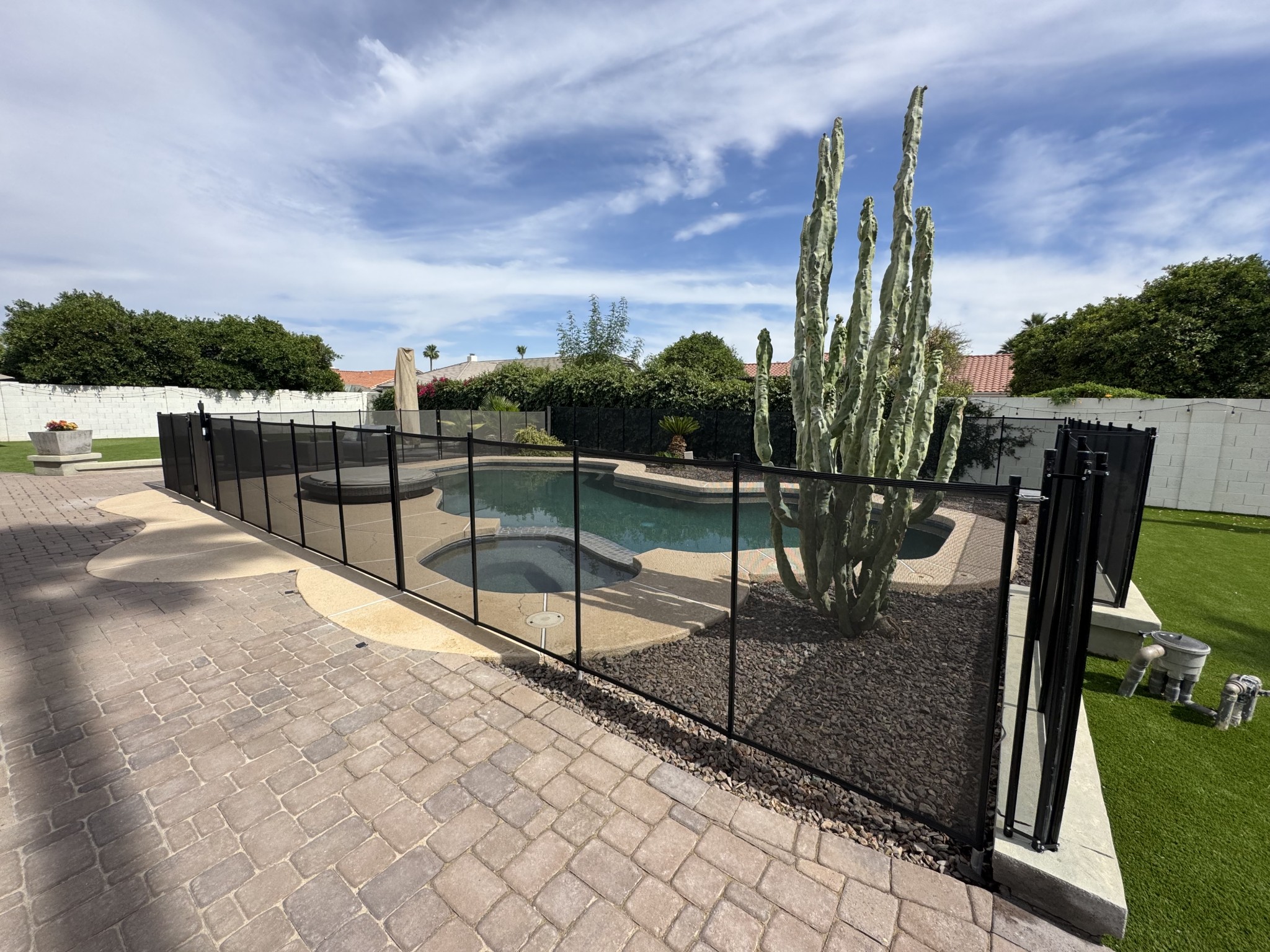
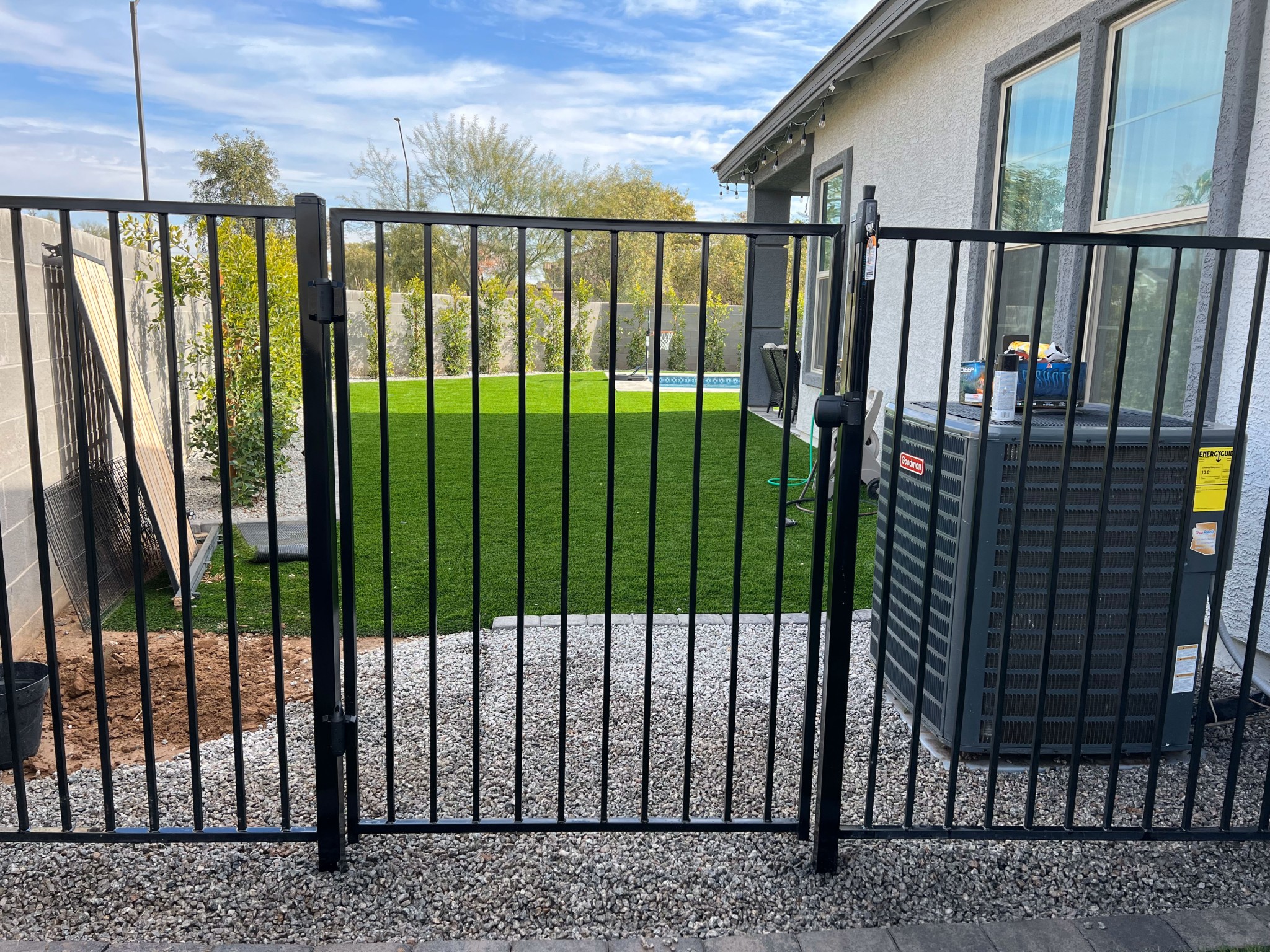
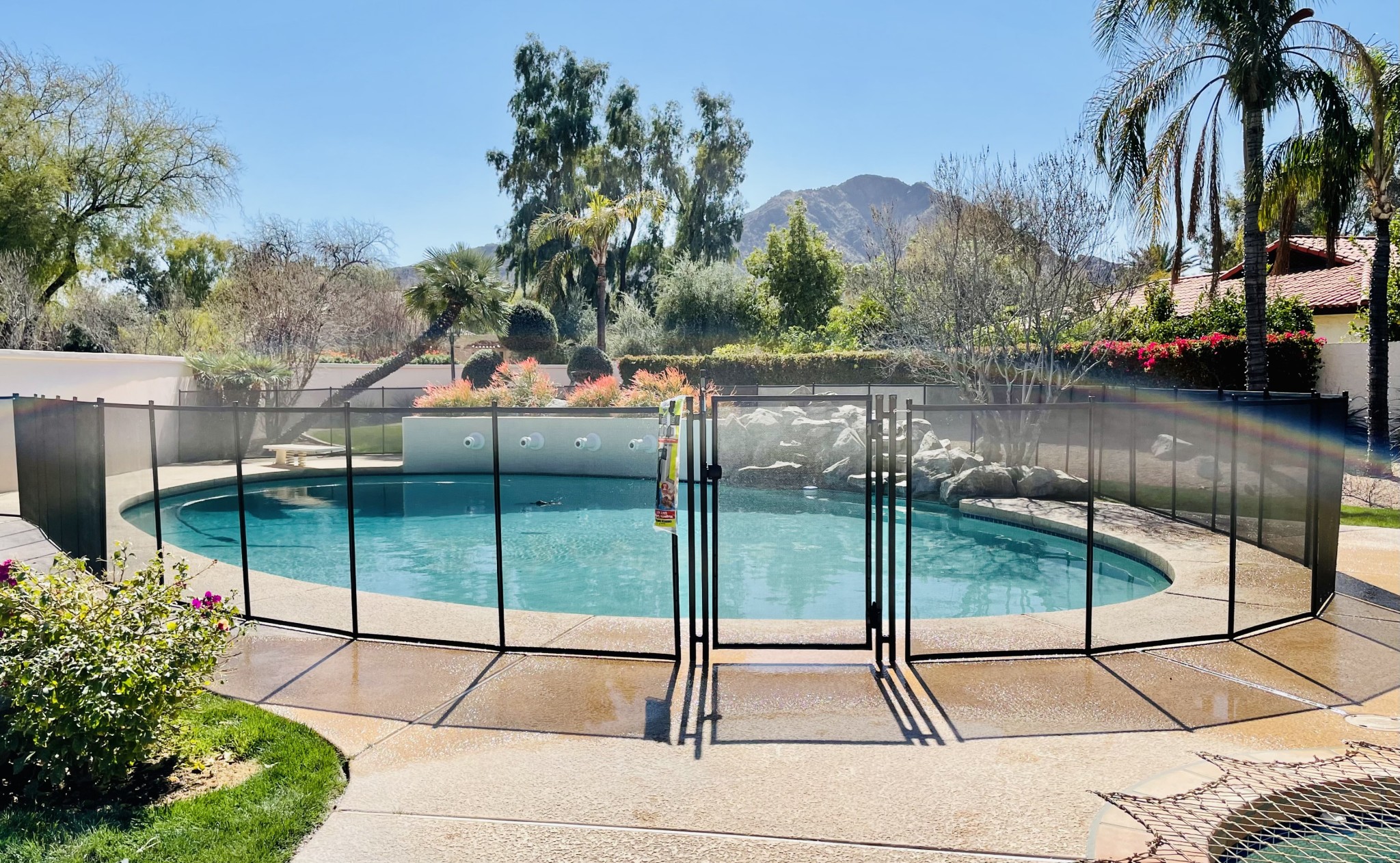
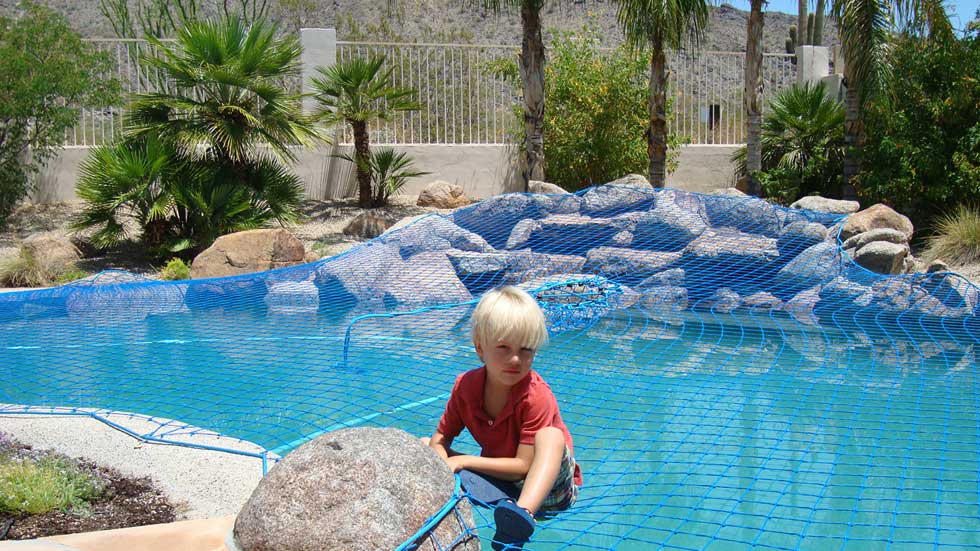
A pool barrier is any physical or mechanical safety feature designed to restrict unsupervised access to a swimming pool. The most common barriers include perimeter fencing, self-closing and self-latching gates, safety covers, and alarm systems that alert homeowners when a gate or door is opened. To be effective, these barriers must meet specific safety standards, such as minimum height requirements and latch placement out of reach of children.
Barriers as Life-Saving Tools

Erica Culley’s family with Child Crisis Arizona officials and their newly installed pool fence.
According to the Centers for Disease Control and Prevention (CDC), drowning is a leading cause of accidental death for children under the age of five. Studies consistently show that properly installed pool barriers can reduce child drownings by up to 80 percent. These safeguards work because they provide critical seconds, or even minutes, that can prevent tragedy when direct supervision lapses.
First Line of Defense Against Accidents
Barriers serve as the first and often most reliable defense against unauthorized access. While adult supervision is always necessary, no parent or property owner can maintain constant vigilance. A locked gate or secure cover ensures that children, pets, or even trespassers cannot reach the water without deliberate effort.
Residential vs. Commercial Risks
The role of barriers differs slightly between residential and commercial settings. Homeowners primarily use them to protect family members, visiting children, and neighbors. In contrast, commercial properties such as apartment complexes, hotels, and community pools must safeguard dozens or even hundreds of people daily. In both cases, barriers are not only a safety feature but also a critical element in demonstrating compliance with safety regulations and reducing liability exposure.
State and Local Pool Barrier Laws
Arizona Pool Barrier Requirements
Arizona has some of the strictest pool safety regulations in the country due to its high number of residential pools and warm climate. State law generally requires residential pools to be enclosed by a fence at least 5 feet high, with no openings larger than 4 inches that could allow a child to squeeze through. Gates must be self-closing and self-latching, with latches positioned high enough to remain out of reach of small children. Additionally, doors and windows that provide direct access to a pool may require secondary barriers, such as alarms or self-latching locks.
Regulations in Other States
Arizona is not alone in these requirements. States like California, Florida, and Nevada also enforce strict pool barrier codes, with some mandating additional safety measures such as pool alarms or safety covers. In certain municipalities, local ordinances may exceed state-level requirements, particularly in areas with high child populations or densely populated housing.
Penalties for Non-Compliance
Failure to comply with these laws can result in fines, citations, or legal action. More importantly, non-compliance can dramatically increase a homeowner’s liability in the event of an accident. Courts often view failure to meet minimum safety standards as negligence, which can lead to higher damages in lawsuits.
Why Compliance Isn’t Always Enough
Children are resourceful, and accidents can still happen when barriers are outdated or poorly maintained. Many safety experts recommend going beyond code by installing higher fences, adding alarms, or using multiple layers of protection. Taking extra precautions strengthens both safety and legal defense.
Insurance and Liability Protection
How Pool Barriers Impact Insurance
Many insurers view pools as “attractive nuisances,” meaning they pose inherent risks that raise liability exposure. A properly installed and maintained barrier demonstrates that a homeowner has taken reasonable precautions, which can lead to better coverage terms and, in some cases, lower premiums.
Barriers as Proof of Responsible Ownership
In the event of an accident, insurance companies and courts examine whether the property owner took steps to reduce foreseeable risks. A secure fence, self-latching gate, or safety cover provides tangible evidence that the owner acted responsibly. Without these safeguards, homeowners may be seen as negligent, which can influence both settlements and court rulings.
Denied or Reduced Payouts
There are documented cases where insurance payouts were reduced, or denied entirely, because pool barriers were missing, defective, or out of compliance with local codes. Insurers argue that failing to meet safety requirements contributed directly to the accident. This leaves the homeowner financially responsible for medical expenses, legal costs, or damages awarded in lawsuits.
Proof of Compliance Often Required
Many insurers now require proof of compliance with state and local pool safety laws before issuing or renewing policies. In Arizona and other states with a high concentration of pools, this often means inspections or photographs of fencing and gates. By maintaining barriers in good condition, homeowners not only protect their lives but also safeguard their financial security.
The Bottom Line on Pool Barriers and Legal Liability
Pool Barriers as a Dual Safeguard
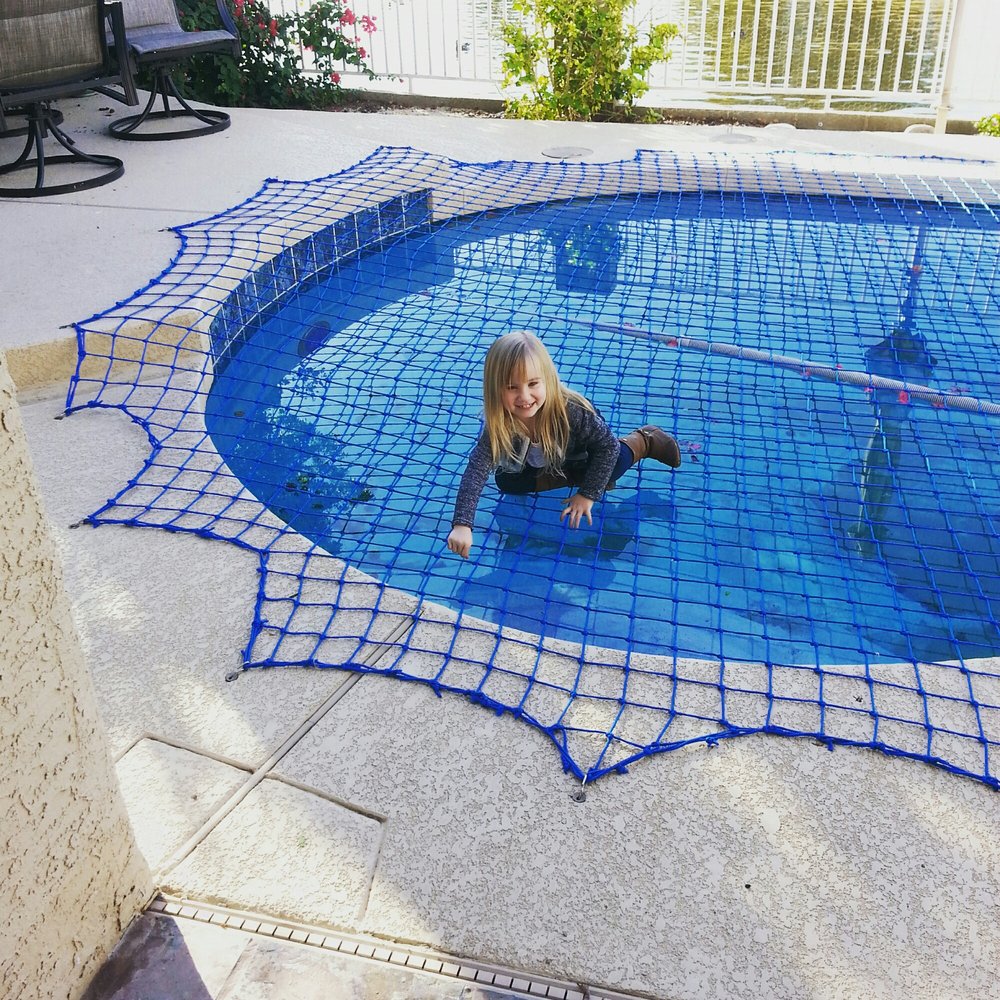
Pool barriers are one of the most effective ways to reduce those risks. They save lives by preventing accidents and protect property owners from the heavy financial and legal burdens that follow when an accident occurs.
A Smart Investment in Safety and Liability Protection
Treating pool barriers as both a safety necessity and a legal safeguard is the best approach for homeowners and commercial property managers alike. Barriers not only help you stay compliant with Arizona’s strict pool safety laws, but they also serve as evidence of responsible ownership in the event of a lawsuit or insurance claim.
Take Action Today
Don’t wait for an accident to highlight the importance of prevention. Work with a licensed pool safety professional to ensure your pool meets or exceeds current barrier requirements.
Protect your pool, your family, and your future. Schedule a consultation with Arizona Pool Fence today. Ensure your barriers meet Arizona’s requirements and reduce your liability risks before it’s too late.
Call now or book your inspection online.