How Pool Fence Gate Locks Help You Stay Compliant with Arizona Pool Safety Laws
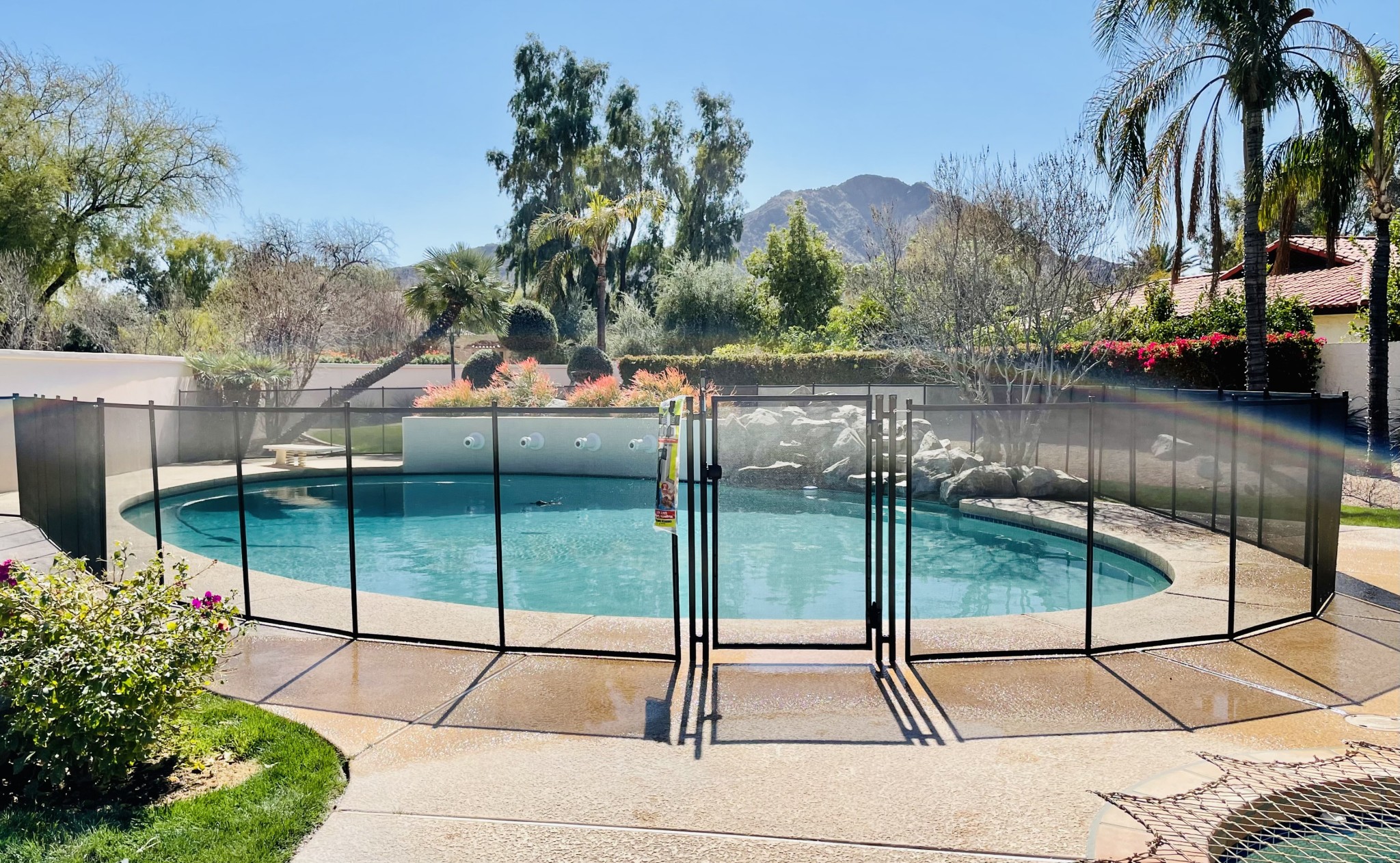
Many homeowners focus on fences or alarms, but the gate lock is often overlooked. Yet it’s one of the most critical components of a compliant pool barrier system. Arizona’s pool safety regulations require gate locks. The right self-closing, self-latching pool fence gate lock ensures that the pool area remains secure, even when someone forgets to pull the gate shut.
In this guide, we’ll break down why pool fence gate locks matter, how they fit into Arizona’s pool safety codes, the most common compliance mistakes homeowners make, and how to choose a gate lock that protects your family and keeps your home fully compliant.
Why Pool Safety Laws Exist in Arizona
Each year, emergency responders in Arizona handle numerous calls involving children who have wandered into unsecured pool areas. The majority of these incidents happen in residential settings where a gate was left open, a latch failed, or a fence was not up to code. The Arizona Department of Health Services and local municipalities created strict pool barrier requirements to make sure homeowners have multiple layers of protection between the house and the water.
For Arizona homeowners, following these laws is not only a moral responsibility but also a legal one. Non-compliance can result in fines, failed inspections, or even civil liability if an accident occurs. More importantly, these laws help protect families, guests, and neighbors from preventable harm.
Overview of Arizona Pool Fence and Gate Requirements

Arizona’s pool safety regulations are among the most detailed in the country. These requirements are based on both state law and local ordinances, and while they can vary slightly by city, the goal is consistent everywhere: to prevent unsupervised access to swimming pools. Whether you live in Phoenix, Mesa, or Scottsdale, a secure fence and a properly installed gate lock are mandatory for any pool deeper than 18 inches.
Here is a summary of the most common standards that apply to residential pools across Arizona:
1. Fence Height and Construction
- The pool barrier must be at least five feet tall from the ground on the outside.
- The space between the ground and the bottom of the fence cannot exceed four inches.
- Vertical gaps between slats or panels must also be less than four inches to prevent climbing or squeezing through.
- Fences should be constructed from durable materials that cannot be easily scaled or broken.
2. Gate Design
- Every pool enclosure must have at least one gate that allows safe entry and exit.
- The gate must swing outward, away from the pool area, so it cannot be pushed open by a child from the inside.
- Gates must be self-closing and self-latching so they automatically secure after being opened.
- The latch or locking mechanism must be at least 54 inches above the ground, or designed so that it cannot be reached by a small child.
3. Locking Mechanisms
- Locks must function automatically when the gate closes, ensuring that no one has to manually secure it.
- Many cities in Arizona, including Phoenix and Mesa, specifically require magnetic or mechanical self-latching locks that are corrosion-resistant and tested for outdoor use.
- Gates should remain latched even under pressure or when exposed to wind or minor impact.
4. Additional Local Considerations
- Some municipalities have stricter codes, such as requiring secondary barriers for homes where the pool is directly accessible from the house.
- Rental properties and short-term vacation homes must meet local compliance standards before being listed or occupied.
5. Inspection and Enforcement
City inspectors often test pool gates and locks during construction, remodeling, or safety audits. If your gate fails to close or latch automatically, or if your lock is installed at the wrong height, the property will not pass inspection until the issue is corrected.
The Role of a Pool Fence Gate Lock in Compliance

The lock is in place to ensure the gate remains closed and secure when it is not in use. It prevents accidental entry, keeps unsupervised children out of the pool area, and ensures your property meets both state and city-level pool safety codes.
Here is why the gate lock plays such an essential role in compliance and protection:
1. It Creates a True Safety Barrier
A properly installed self-closing and self-latching lock ensures that the gate automatically returns to a closed position after every use. This eliminates human error, such as forgetting to shut the gate after walking through.
2. It Prevents Child Access
Most pool-related accidents in Arizona involve children under the age of five who wander into an unprotected or unlocked pool area. A compliant gate lock is designed with childproofing in mind. Latches must either be mounted high enough that a child cannot reach them or positioned in a way that requires adult coordination to open.
3. It Proves Legal Compliance During Inspection
City inspectors and insurance adjusters often test the function of your pool gate lock first. They verify whether the gate automatically closes, confirm that the latch height meets regulatory requirements, and inspect for any signs of corrosion or mechanical failure. If your lock does not operate correctly or fails to self-latch, the entire system is considered noncompliant.
4. It Reduces Liability
Having the correct gate lock installed and maintained protects your family and reduces your legal liability. If a neighbor’s child or guest gains access to your pool because of a faulty or missing lock, the homeowner can be held responsible, even if the incident occurs without your knowledge.
5. It Demonstrates Responsible Homeownership
A secure pool gate lock shows that you take safety and compliance seriously. Whether you are preparing for a city inspection, selling your home, or renting out a property, maintaining an up-to-date locking mechanism gives inspectors and buyers confidence that the pool area is properly secured.
Types of Pool Fence Gate Locks and Which Are Compliant
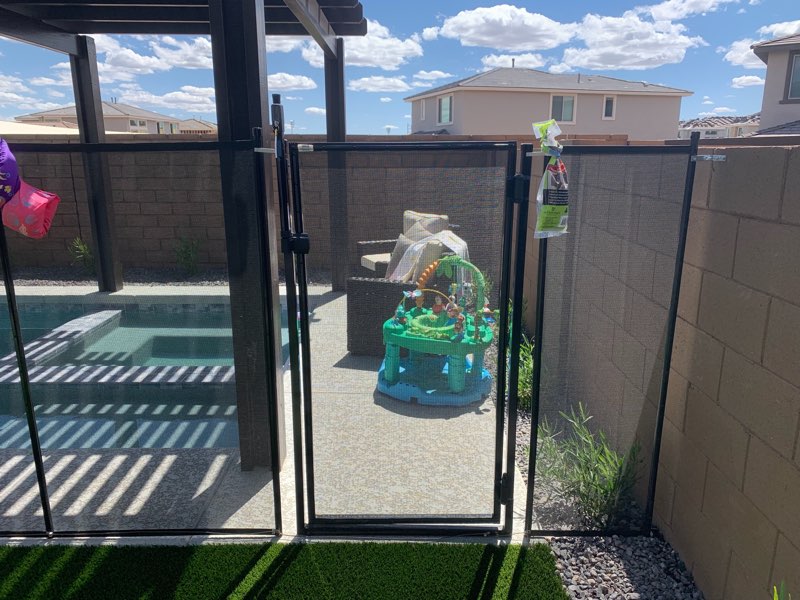
Not all gate locks are created equal. When it comes to pool safety, choosing the right type of lock determines whether your gate passes inspection and performs reliably over time. Arizona’s heat, dust, and chlorine exposure can quickly wear out substandard hardware, which is why using approved and durable locking systems is essential.
Below are the most common types of pool fence gate locks, along with information about how each one meets or fails Arizona compliance standards.
1. Magnetic Self-Latching Locks
Magnetic locks are widely considered the gold standard for pool safety. They use a magnetic mechanism that automatically pulls the latch into place when the gate closes.
- Why they work: The magnetic catch ensures consistent closure even if the gate alignment shifts slightly over time.
- Compliance: Fully compliant with Arizona pool codes when installed at the correct height and paired with a self-closing hinge system.
- Best for: Aluminum, mesh, and vinyl pool fences exposed to the Arizona sun, since magnetic locks resist corrosion and UV damage.
2. Mechanical Latches
Mechanical latches are a traditional option that relies on direct contact between a latch and a strike plate.
- Why they work: They are strong and reliable but require precise alignment to function correctly.
- Compliance: Can meet code requirements if they are self-latching and installed high enough to prevent child access.
- Limitations: Mechanical latches require more frequent maintenance and may fail inspection if they stick, rust, or fail to close automatically.
3. Keyed and Combination Locks
Keyed or combination locks add security for homeowners who want extra control over pool access.
- Why they work: These locks can restrict entry to adults only and are ideal for rental or multi-family properties.
- Compliance: Only compliant if the gate still self-latches when closed. Locks that require manual key engagement after closing will fail inspection.
- Best for: Homes with guests or tenants, as they provide a clear access control option.
4. Glass and Mesh Fence Locks
For frameless glass or removable mesh pool fences, lock placement and mounting hardware differ slightly.
- Why they work: These locks are designed to be discreet while maintaining safety standards.
- Compliance: Must still be self-latching and installed at least 54 inches from the ground. Always use hardware approved for your fence type to prevent code issues.
- Maintenance: Regular cleaning and adjustment are necessary to ensure smooth operation in Arizona’s dusty environment.
5. Electronic or Smart Locks
Some homeowners install electronic gate locks that can be controlled remotely or integrated with security systems.
- Why they work: They add convenience and monitoring capabilities.
- Compliance: Only compliant if they automatically latch upon closing and meet height and safety standards. Manual electronic locks that require activation to engage are not acceptable for pool safety.
- Note: Always verify that your smart lock model is approved for outdoor, pool-rated use.
Choosing the Right Lock for Arizona Homes
Arizona’s environment is tough on pool hardware. Look for locks made from marine-grade stainless steel, high-impact polymer, or powder-coated aluminum to resist corrosion and sun damage. Avoid cheap imports or untested brands that may warp or fail in extreme heat.
When in doubt, ask a licensed pool fence professional to verify that your chosen lock meets Arizona pool safety codes and is correctly installed at the correct height. The right choice will provide long-term durability, smooth operation, and peace of mind, knowing your pool area is both secure and legally compliant.
- Common Compliance Mistakes Homeowners Make
Even with the best intentions, many Arizona homeowners fail pool safety inspections because of simple, preventable mistakes. These errors typically involve the gate lock or latch system and often remain unnoticed until an inspector brings them to attention. Understanding the most common problems can help you avoid costly fines, failed inspections, and unnecessary risk.
1. Latch Installed Too Low
One of the most frequent compliance issues is a latch that is mounted below the required height. Arizona regulations state that the latch must be at least 54 inches above the ground or designed so that a child cannot easily reach it.
A low latch may seem convenient for adults, but it defeats the purpose of preventing unsupervised child access. Always verify latch placement before finalizing installation.
2. Gate Swinging Toward the Pool
Pool gates must open away from the water, not toward it. This rule exists to reduce the chance of a child pushing a gate open from the pool side. During inspections, gates that swing inward automatically fail, even if the latch itself works properly.
3. Lock That Does Not Self-Latch
If your gate lock requires you to close it manually each time, it is not compliant. Arizona law requires a self-closing, self-latching mechanism. The gate should close automatically from any open position and secure itself without needing manual assistance.
4. Corrosion or Rust in the Lock
Arizona’s climate, pool chemicals, and irrigation water can quickly corrode metal components. Rust buildup can stop a latch from closing completely. Inspectors often test this by gently pulling on the gate after it closes. If the latch does not catch or sticks due to corrosion, the system fails. Regular maintenance and replacement of worn hardware prevent this issue.
5. Decorative or Custom Gates Without Compliant Locks
Some homeowners install stylish custom gates or wrought iron designs that do not meet code requirements. Even high-end designs must include a self-latching lock mounted at the correct height. Decorative gates with horizontal bars or large gaps can also create climbable surfaces, making the entire barrier noncompliant.
6. Relying on Gate Alarms Instead of Physical Locks
Gate alarms are helpful as a secondary layer of protection, but they are not a substitute for a compliant locking mechanism. Arizona law requires a physical self-latching lock as part of the primary barrier. Alarms alone do not satisfy safety regulations.
7. Poor Alignment or Loose Hinges
Even a high-quality lock can fail inspection if the gate is misaligned. Over time, shifting soil or repeated use can cause hinges to sag, preventing the latch from engaging properly. Inspectors often test gates multiple times to make sure they close securely every time. Homeowners should periodically check hinge tension and alignment.
8. Using Non-Rated Hardware
Locks not designed for outdoor or pool use can degrade quickly under Arizona’s UV exposure and chlorine-rich air. Using hardware from general home improvement sections rather than pool-rated products may result in faster wear, warping, and eventual noncompliance.
Does Your Pool Gate Meet Standards?
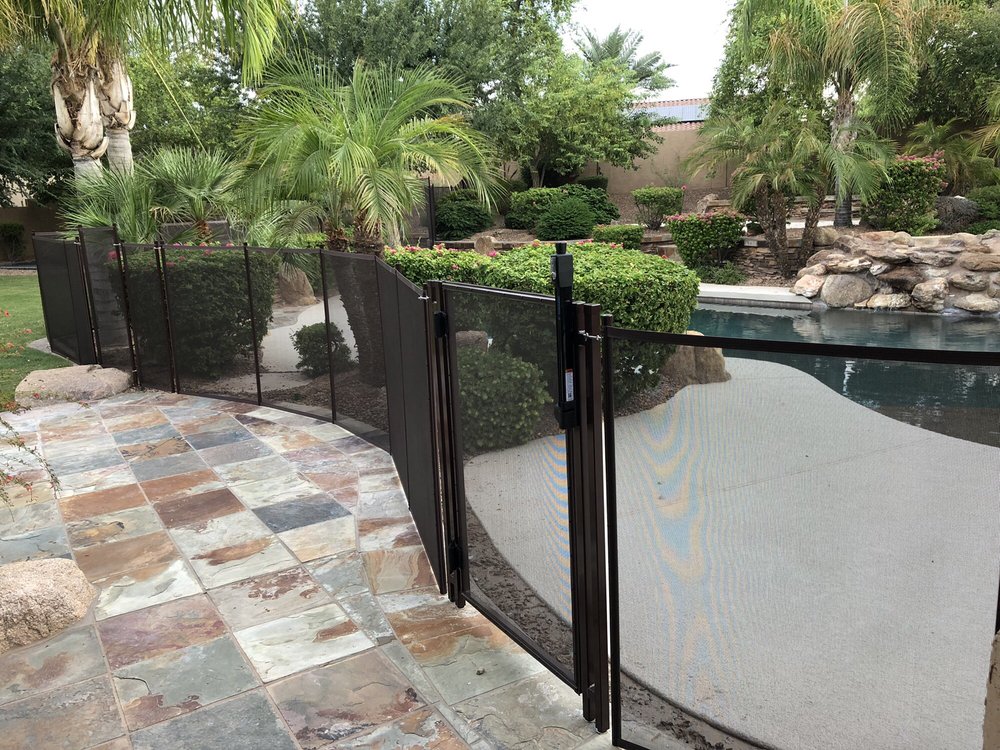
If you are unsure whether your current gate lock meets Arizona safety standards or if you are preparing for an inspection, now is the time to take action. A small upgrade today can prevent costly penalties or tragic accidents tomorrow.
Contact Arizona Pool Fence today to schedule a pool safety inspection or learn more about installing a compliant gate lock. We serve homeowners across Phoenix, Scottsdale, Mesa, and surrounding areas with professional installation, maintenance, and compliance guidance that keeps your pool secure throughout the year.